
Now that we’ve shed the personal armour of business attire and embraced greater authenticity through more comfortable clothing, it begs the question:
In removing the physical boundary between who we are at work and outside of it, have we also erased a psychological one – making it harder to ever truly be “off the clock”?
Note: If you’d rather listen than read, you can also check out the accompanying The Middle Slice podcast episode for this article.
As children, many of us had a surprisingly clear idea of what adulthood would look like. Work meant an office; an office meant a desk, a telephone, a serious expression, and, if television was to be believed, a suit. We imagined ourselves like the characters in L.A. Law, striding through corridors with important things to say.
Alas, for those of us who ended up working in an office, or somewhere vaguely office-adjacent, the reality rarely matched the fantasy. The glamour was missing, the suits were less convincing, and the important things to say often involved spreadsheets, printer problems or the missing milk.
“Business Pyjama Casual” Is Still Not A Thing
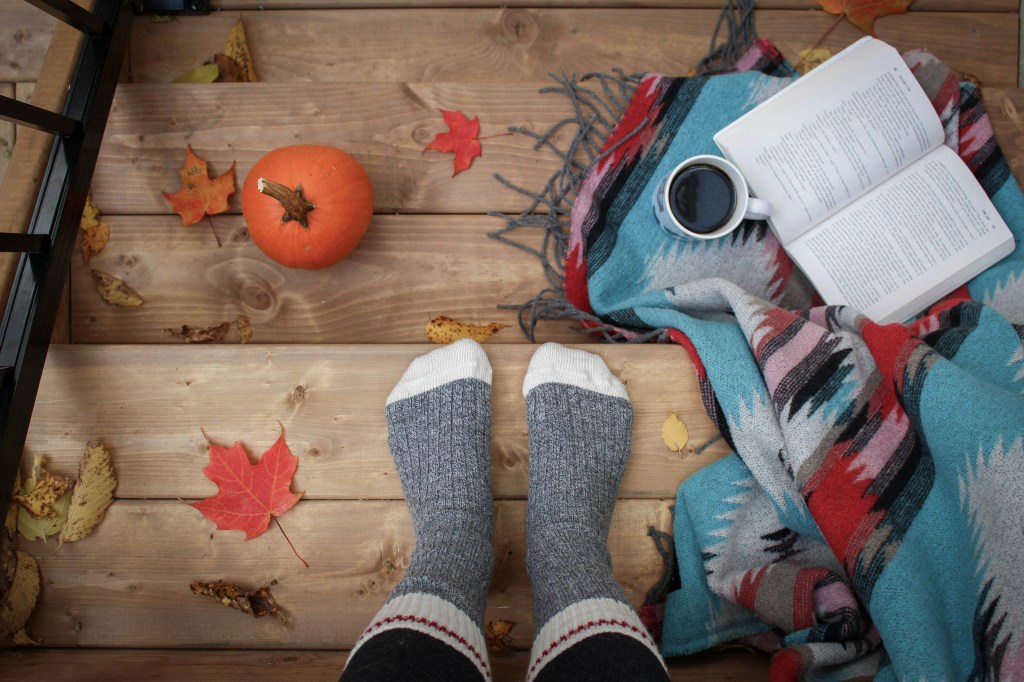
Then COVID arrived and gave office culture a major rebranding. For a while, the office disappeared altogether. The commute became a walk to the kitchen, the desk became the dining table, and the work wardrobe became whatever was comfortable enough to wear all day.
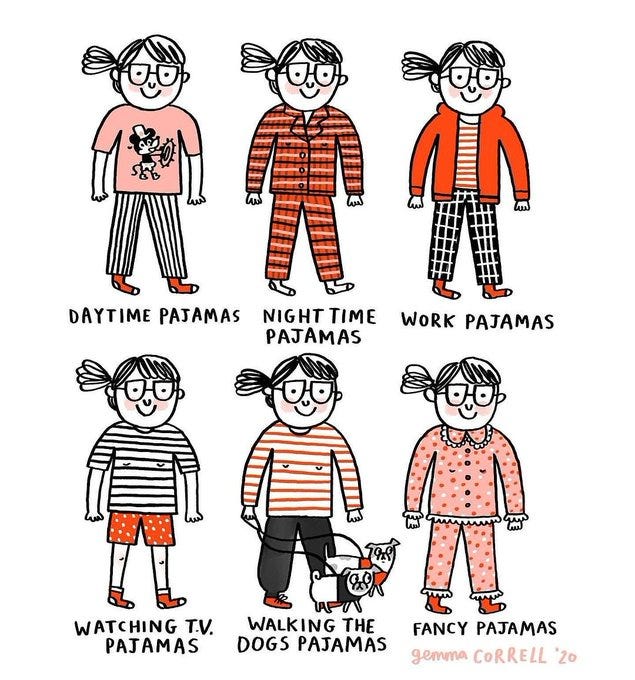
Image Credit: Noted at bottom of image.
The new homeworker tended to go through two fashion phases. First came the pyjama phase: the delicious discovery that nobody could see you. One day in pyjamas became three, perhaps five. Why bother getting dressed?
But the novelty quickly wore off. Working in pyjamas was a lot like working from bed. The brain received the message that it was still bedtime. Concentration faded, motivation disappeared, and productivity suffered. Rule number one of working from home: get dressed.
Getting Comfortable at Work
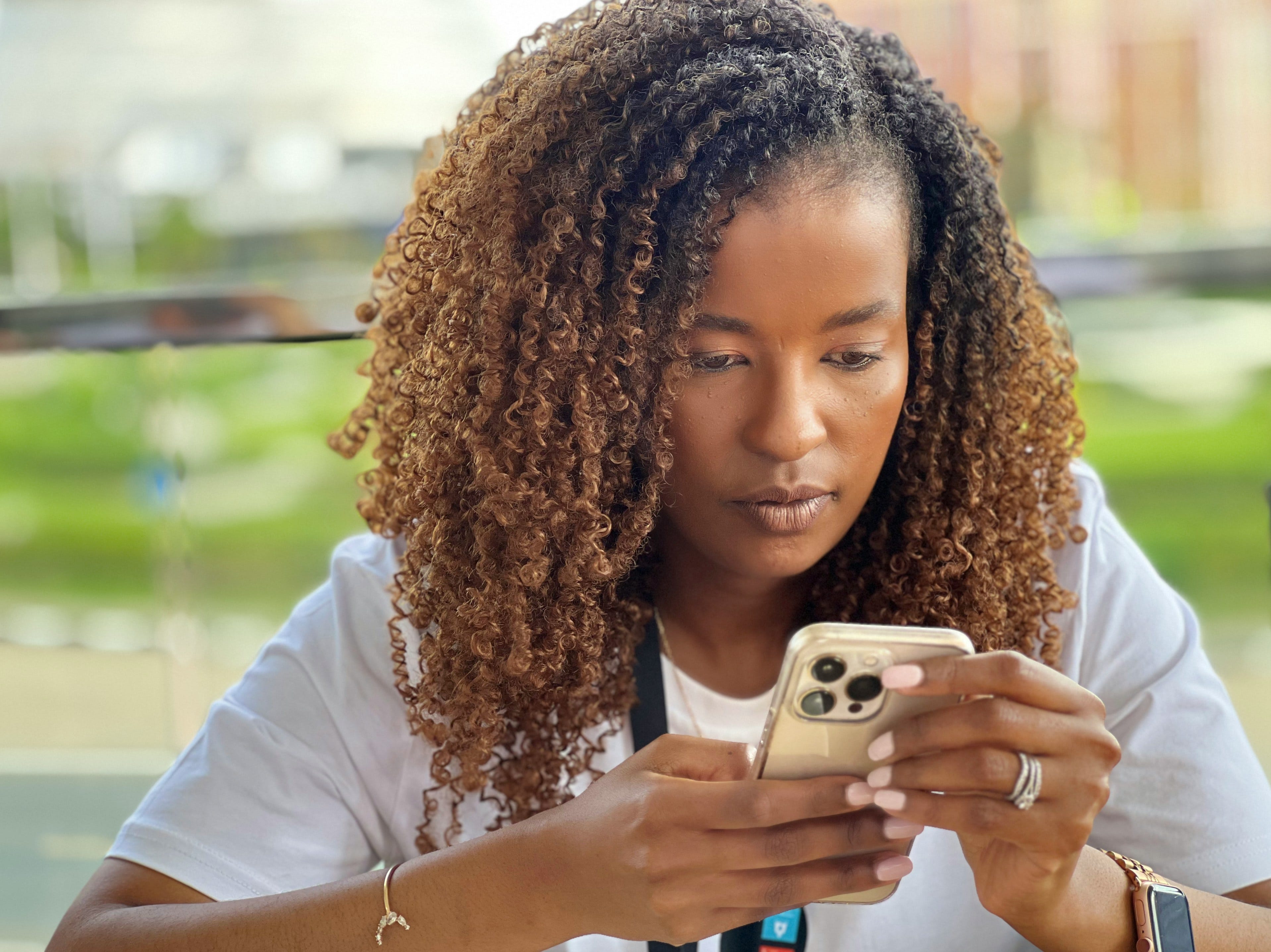
The second phase was more sensible, and perhaps more lasting. Tracksuit bottoms, T-shirts, soft knitwear and slim-fitting jumpers became the new uniform. They were comfortable, but not shapeless; casual, but not completely without personality. We discovered that getting dressed for work did not necessarily mean dressing up.
And the change did not stay at home. After COVID, many office workers were reluctant to return to full-time suits and formal businesswear. Business casual became the compromise, polished enough for work and comfortable enough for real life.
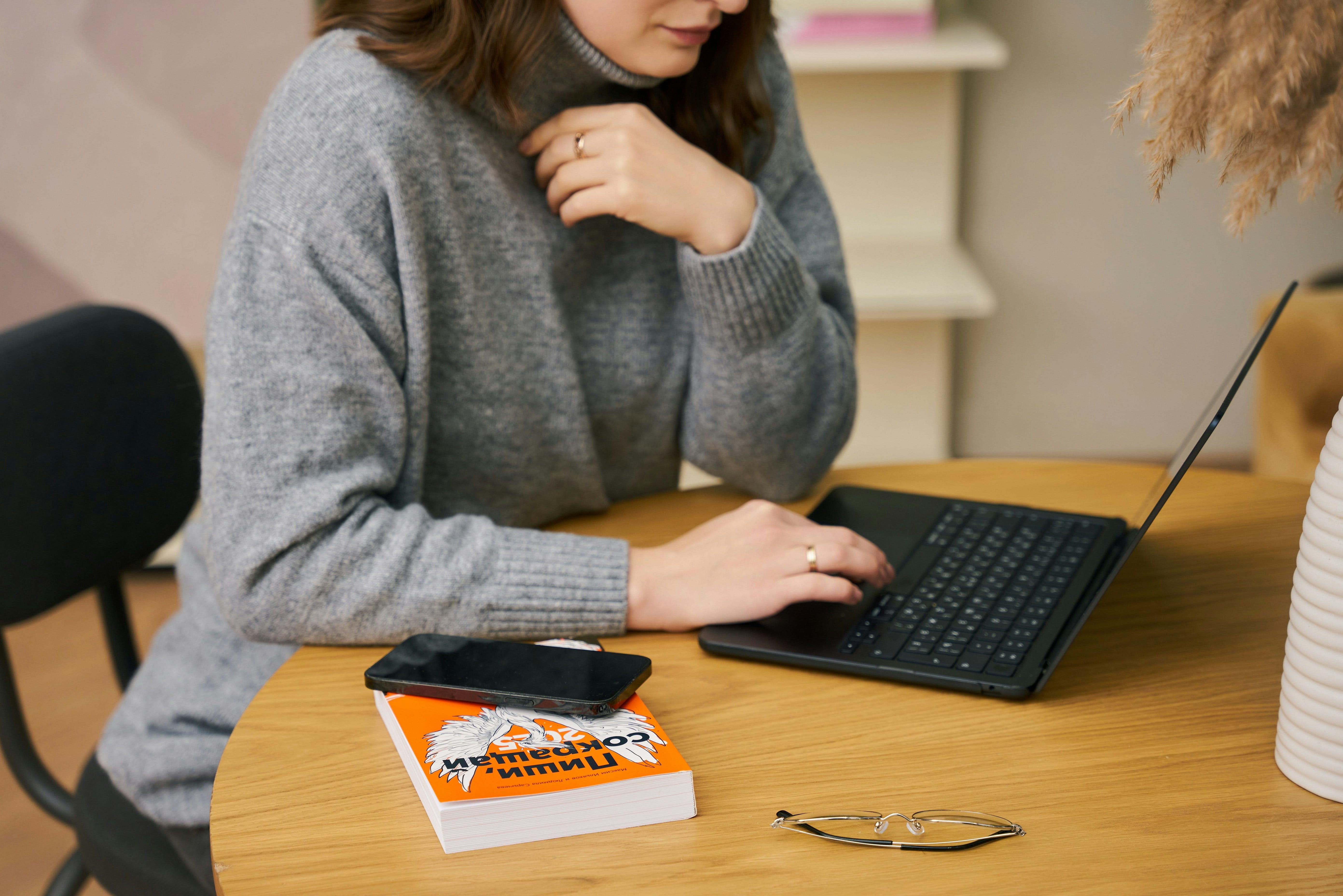
Perhaps that is the real shift. We have not abandoned workwear; we have renegotiated it. We still want to look competent and presentable, but we no longer believe that professionalism requires discomfort.
The future of workwear may be somewhere between the suit we once imagined and the pyjamas we briefly refused to take off: clothes that are comfortable enough to live in, polished enough to work in, and personal enough to feel like ourselves.
However, now that we’ve shed the personal armour of business attire and embraced greater authenticity through more comfortable clothing, it begs the question:
In removing the physical boundary between who we are at work and outside of it, have we also erased a psychological one – making it harder to ever truly be “off the clock”?
Depending on who you ask, I suspect everyone will have a different answer – and they should.


