
There is a quiet habit many of us fall into without noticing. We begin to treat the workweek as something to get through rather than something to live. Days are measured by their distance from Friday. Evenings become recovery time. Life, it seems, resumes later.
But most of our lives do not happen on weekends. They happen on ordinary weekdays, in the hours between meetings, in the calm after work, in the routines we repeat without much thought. When those days are spent waiting for relief, the waiting becomes the main event.
Making the most of your workday and evenings at home does not require more effort or turning life into a performance of productivity. It requires attention to rhythm. When workdays have shape and boundaries, and evenings are lived with intention rather than collapse, your evenings feel calmer, your mornings feel lighter, and the weekend no longer carries the burden of fixing everything that was postponed.
The goal is not to eliminate the desire for the weekend. It is to stop depending on it. What follows are 11 practical ways to make the most of your workdays and evenings so the week feels lived rather than endured, and the weekend can remain what it should be… restful, open, unhurried, and sacred.
1. Design Your Day, Give It Boundaries
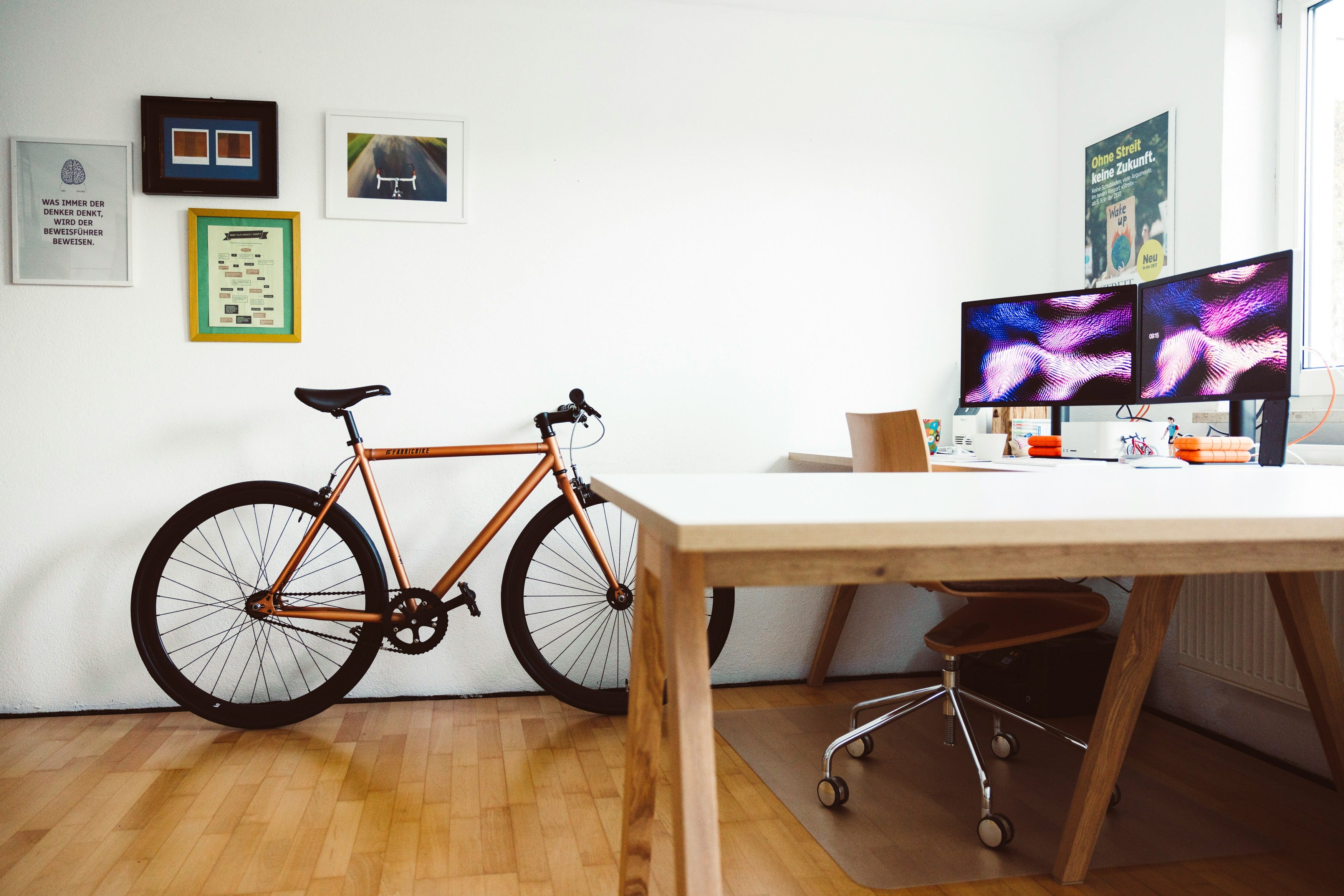
A workday without structure tends to sprawl, quietly stretching into places it was never invited. Research on psychological detachment shows that people recover better when work has a clear beginning and a clear end, even when the workload is demanding. When effort is predictable, the nervous system settles, and the mind can let go at the right time.
Deciding in advance when focused work happens, when lighter tasks fit, and when the day ends gives the day shape and makes it less draining, even when full. Blocking time for deep work in the morning, clustering meetings later, and protecting a real stop time helps work feel contained instead of endless. The hours may be full, but they are no longer shapeless, and evenings become easier to step into rather than collapse into.
2. Pick One Thing That Makes the Day Complete
Instead of carrying an ever-growing list in your head, decide what would make the day feel complete. It could be one finished task, one decision made, or one conversation handled. This prevents the workday from feeling like an open loop and allows you to mentally clock out at the end of it.
Many workdays feel exhausting not because too much happened, but because nothing ever truly finishes. Research shows that unfinished tasks remain mentally active and increase stress, even when we are not consciously thinking about them.
Choosing one meaningful outcome each day gives the mind something solid to land on. A single completed report, a resolved email thread, or a cleared task can provide more relief than ten half-started projects. Completion creates closure, and closure allows the day to end.
3. End Work Gently, Not Abruptly
The last hour of work often sets the tone for your evening. Starting something new and demanding right before stopping keeps part of your mind working long after the laptop closes. Instead, use this time to wrap up, review tomorrow’s priorities, and close loose ends. A clean ending makes it easier to be present once work is done.
Research on recovery and sleep shows that when people take a few minutes at the end of the day to reflect on what they’ve accomplished and clarify what comes next, they experience less rumination and better sleep.
By letting the day taper rather than drop off abruptly, you create a smoother transition into home life. This simple habit allows evenings to feel calm, restorative, and fully yours.
4. Stop Work From Following You Home
Emails and messages have a way of quietly stretching the workday into the evening. A quick glance here, a “small” reply there, and suddenly work is still present long after you’ve logged off. Research shows that even the expectation of after-hours availability increases stress and interferes with recovery, whether or not messages actually arrive.
Setting clear boundaries (i.e. specific times to check and respond to communication) keeps work from creeping into your personal time. When communication has limits, evenings stop feeling like unpaid extensions of the day and become fully yours, free for rest, connection, or whatever makes you feel human again.
5. Make a Purposeful Transition from Work to Home
Moving from work into home life without a pause can leave your mind and body behind. Research on work-home transitions shows that small rituals reduce emotional spillover and make it easier to relax.
A purposeful transition could be as simple as changing clothes, stepping outside for a short walk, washing your hands, making tea, or sitting quietly for a few minutes. These small gestures signal that one role has ended and another has begun. Without that pause, work tends to linger, quietly following you into your evening.
6. Reset Your Space, Reset Your Mind
A home that remains cluttered with the day’s debris can keep the mind quietly alert long after work is done. Research in environmental psychology links visual clutter with higher stress levels, particularly in the evening.
A brief nightly reset, clearing surfaces, washing dishes, putting things back where they belong, is not about perfection. It is about closure. These simple actions signal that today has been handled, making tonight calmer and tomorrow easier to step into.
7. Make Evenings Predictable and Gentle
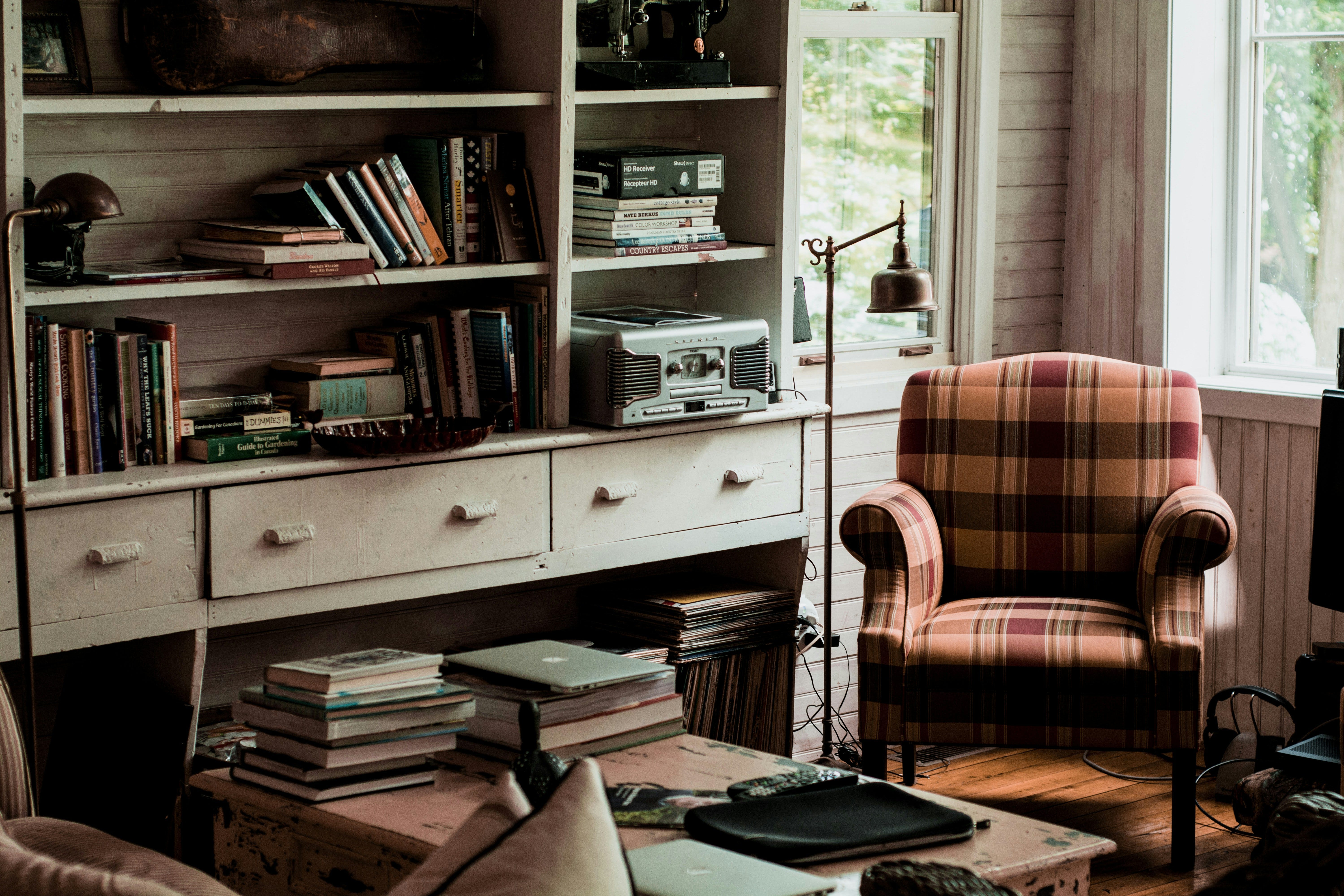
By the time evening arrives, decision making is a tired muscle. Research on mental fatigue shows that our ability to make good choices declines after a full day of effort.
Decision fatigue peaks at night, which is why evenings often unravel. Repetition helps. Sticking to familiar meals, standard routines, and predictable rhythms reduces cognitive load. When fewer decisions are required, more energy is available for rest, calm, and activities that actually feel restorative.
8. Handle Small Tasks Before They Multiply
Small unfinished tasks have a way of hovering. Research on procrastination shows that unresolved obligations create low-grade stress, even when we are not consciously thinking about them.
Paying bills, booking appointments, or answering lingering messages during the week prevents these loose ends from shading your evening with background tension. Taking care of small tasks early creates lighter nights and a greater sense of control over your time.
9. Choose Rest, Don’t Just Collapse
Being tired does not guarantee rest. Research distinguishes between passive rest, such as collapsing onto the couch, scrolling, or zoning out, and active rest, which includes reading, gentle movement, or creative activity. Active rest is consistently more restorative.
Deciding in advance what rest will look like makes it more likely to happen. It might mean reading a book, cooking slowly, doing gentle movement, or simply doing nothing without distraction. Rest chosen on purpose restores far more than rest stumbled into after a long day.

10. Give Yourself a Midweek Highlight
Waiting for the weekend trains the mind to postpone pleasure. Research in positive psychology shows that anticipation itself can increase happiness, sometimes as much as the experience.
Choose one weekday evening to treat as a highlight. It could be a favourite meal, a walk, a class, a bookstore visit, or a show watched without multitasking. Knowing that something enjoyable is coming breaks the habit of counting down to Friday and gives the week texture. It reminds you that enjoyment belongs in the middle, not just at the edges.
11. Let the Weekend Extend, Not Repair
Research on recovery patterns shows that people who rely on weekends to catch up or recharge experience sharper emotional swings and higher stress on Monday than those who recover steadily during the week.
When workdays are contained and evenings are lived well, the weekend does not need to fix anything. It simply extends what is already working. The goal is not to make weekdays feel like weekends, but to make them feel complete. When that happens, the urge to wait disappears and time begins to feel like something you actually inhabit.

 The Middle Slice